


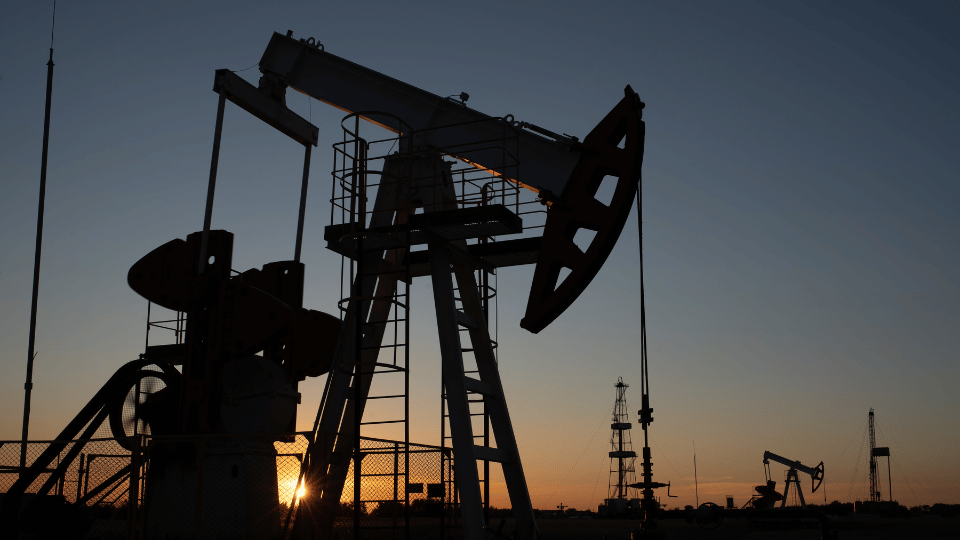
The discovery of major oil reserves along the northern coast of South America has accelerated commercial engagement between Mercosur and countries such as Suriname and Guyana, which are increasingly viewed by the bloc not only as partners for regional integration but also as strategic markets for the export of goods, services, and infrastructure related to the oil and gas industry, according to government sources.
Negotiations with Suriname are currently at a more advanced stage and are being conducted exclusively with Brazil through a bilateral agreement. In May of this year, the Brazilian Ministry of Foreign Affairs and its Surinamese counterpart signed the terms of reference for negotiations aimed at expanding the existing bilateral trade agreement, which is currently limited primarily to a quota allowing exports of Surinamese rice to the Brazilian market.
Although the rapprochement between Mercosur, Guyana, and Suriname dates back to the late 1990s—when the objective was to strengthen ties between the South American bloc and the Caribbean Community (CARICOM)—the pace of engagement has intensified significantly due to the opportunities created by major oil and gas discoveries in both countries.
Brazil’s primary interest lies in creating opportunities for the export of equipment, specialized services, and machinery for the petroleum industry. The oil and gas sector has been one of the strongest advocates for advancing agreements and negotiations through Brazil’s Ministry of Foreign Affairs. Offshore exploration goods and services are regarded as one of the segments with the greatest growth potential in future negotiations.
Beyond the oil and gas supply chain, Brazil also sees opportunities to expand exports of food products, agricultural commodities, pharmaceuticals, medical equipment, and capital goods as the region’s economies experience rising income levels and attract greater investment.
Guyana, whose economic growth has been largely driven by oil production, has attracted particular attention within Mercosur. The country’s rapid expansion has increased interest among Mercosur member states in deepening trade relations with Georgetown.
In 2025, total trade between Brazil and Suriname reached US$54.9 million, with nearly 99% representing Brazilian exports to the neighboring country. Trade with Guyana, however, presents a very different scenario: total trade amounted to US$118.8 million, generating a US$62.4 million trade deficit for Brazil due exclusively to imports of crude oil.
According to Telmo Ghiorzi, Chief Executive Officer of the Brazilian Association of Petroleum Goods and Services Companies (ABESPetro), Brazil should increase oil exploration activity to maintain employment levels and revenue generation within the industry.
“Brazil cannot stop drilling. Norway, which does not even need additional production, is drilling four times more than Brazil. Guyana, Suriname, Africa—everyone is actively searching for oil,” he stated.
For Walberto L. Oliveira Filho, partner at Ernesto Borges Advogados, Guyana and Suriname urgently need to build supply chains that Brazil already possesses.
According to Oliveira Filho, the combination of geographical proximity, industrial scale, and Brazil’s extensive expertise in deepwater exploration creates a favorable environment for cooperation.
“The most immediate opportunity lies in the export of offshore equipment and services. Brazil has developed a robust subsea engineering supply chain through the Pre-Salt projects, including FPSOs, support vessels, valves, pipelines, risers, subsea Christmas trees, maintenance, and inspection services. The second major front is infrastructure and regional integration,” he observed.
A Gateway to the Caribbean
In addition to their energy potential, Guyana and Suriname are viewed by the Brazilian government as strategic corridors for expanding Mercosur’s commercial presence throughout the Caribbean.
The assessment is that strengthening transportation and logistics infrastructure between Northern Brazil and these countries could facilitate access to Caribbean-oriented ports, reducing transportation distances and costs for Brazilian exporters.
In this context, the Brazilian government has been working to expand land connectivity through projects involving BR-401, via the State of Roraima, and BR-156, through the State of Amapá.
Mercosur is also attempting to expand its commercial presence in the Caribbean through closer engagement with the Dominican Republic. Brazil has coordinated negotiations between the bloc and Santo Domingo since 2020. However, progress has been limited due to Dominican concerns regarding new trade agreements.
The Dominican private sector remains cautious due to previous experiences in which free trade agreements resulted in increased imports without a corresponding rise in exports. In response, Mercosur members have discussed the possibility of adopting a framework agreement similar to the one signed with Panama, allowing interested countries to pursue bilateral negotiations at a later stage.
To date, however, the Dominican Republic has not formally responded to the proposals presented by Mercosur in recent years.
Autor: Walberto L. Oliveira Filho • email: walberto.filho@ernestoborges.com.br


